The charger in a Silver Spring garage just refused the session. Your range is already thin. Many people here live in pre-1980 buildings and park in downtown decks. A public stall is often the overnight plug. When that stall fails, stay with the car. Work the connector and the app first. Don’t roll toward Georgia Avenue on a guess.
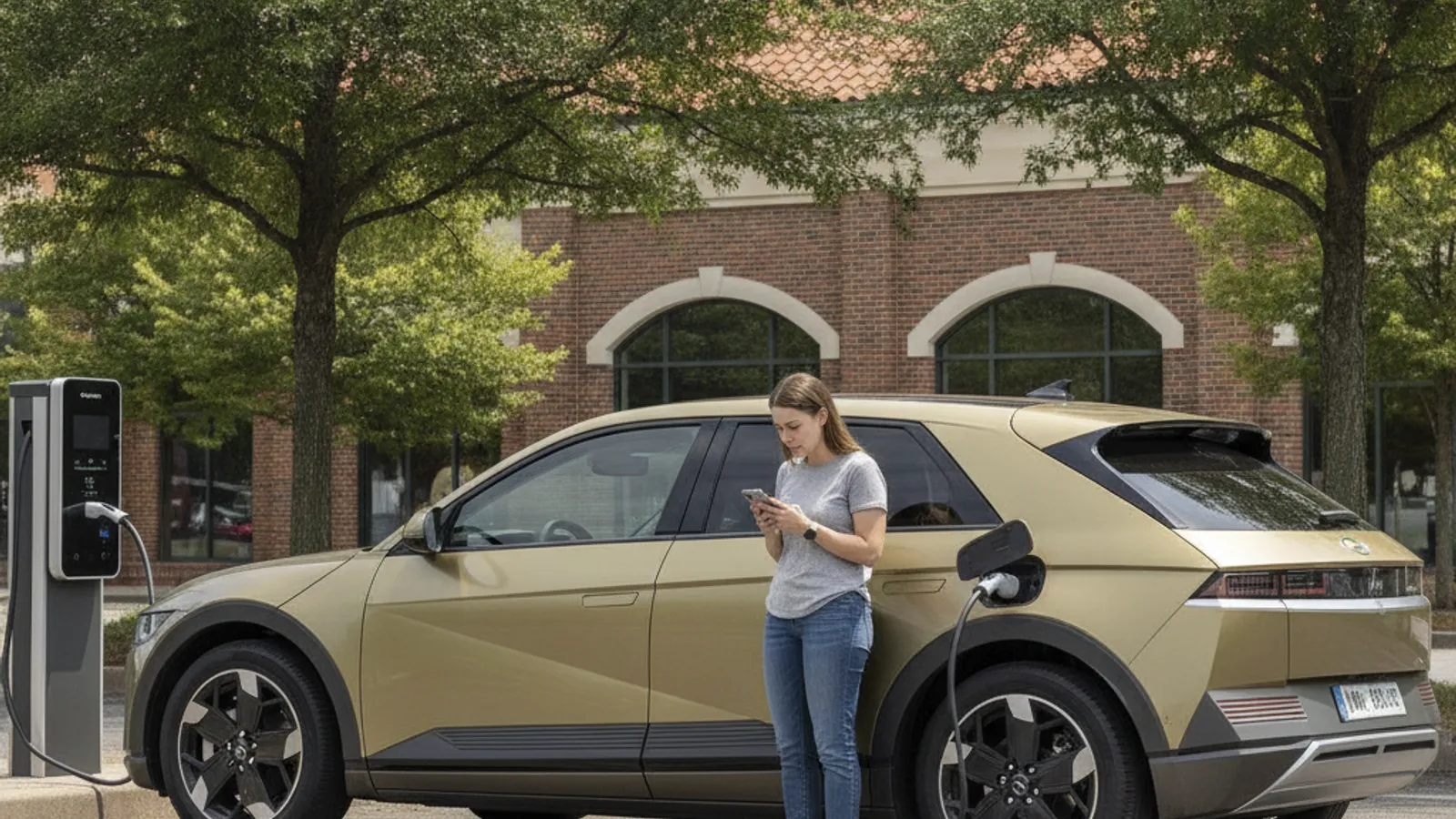
Older housing is why so many drivers charge in public
Silver Spring sits in lower Montgomery County, Maryland. It’s an unincorporated community, not an incorporated city. Census figures count about 82,129 residents. A quarter of them are Hispanic or Latino. About 69.1 percent of the housing stock predates 1980.
Those buildings are apartments, small lots, and street parking. Assigned 240-volt outlets weren’t part of that era. Drivers finish the day on Colesville Road or University Boulevard. Then they look for a shared stall downtown. The classic call here is the renter who woke up short. The garage kiosk won’t start. The pack is already low.
Pepco serves Silver Spring. Its EVsmart pages cover home and multifamily charging equipment. Confirm any rebate on Pepco’s own application before you count on it. We found no Pepco page that’ll charge a stranded car. Utility programs won’t replace a dead stall tonight.
For this community’s landing page, start at EV charging in Silver Spring. Nearby Takoma Park and Wheaton share the older-housing pattern. Washington is down 16th Street. Hyattsville sits just into Prince George’s County. The housing mix is why public stalls matter here. It’s not a claim about how many chargers exist. It’s a claim about where cars actually sleep.
Work the stall before you leave the garage
Do these checks in order. Don’t skip them for a new neighborhood.
Unplug all the way. Look at the handle for grit or a bent pin. Seat it again until it latches. A loose connector is the usual reason a session never starts.
Move one stall over if it’s open. Fast-charge cabinets often feed more than one dispenser. One dark screen doesn’t mean the whole bank is dead.
Start from the phone app, not the kiosk. ChargePoint, EVgo, and Electrify America fail in the handshake. That happens more than in the cable. Force-close the app. Open it. Authenticate from your phone. Tapping the screen in a loop rarely fixes a server problem.
Check the network’s stall status before you wait. If it already shows unavailable, stop waiting. The hardware isn’t going to change.
Try another card or an RFID fob. A declined payment looks like a broken charger. So does an expired plan. Swap methods once before you assume the stall is junk.
Give that loop a few minutes, then stop. More tapping won’t refill the pack. You’ve learned whether this site will help you. The next choice is stay and call, or move with range to spare.
If the wall unit at home never ran last night
Some Silver Spring households do have a Level 2 box. It still fails. Older panels trip. A Wi-Fi brick drops and the session never begins. You wake up to the same percent you parked with.
That’s a different fault from a public kiosk. The car still isn’t going anywhere. A mobile 240-volt visit still works when the home charger fails. The operator can use a driveway or an open garage aisle. A legal street spot works too.
They bring a Level 2 source to the bumper. Tesla owners get a native NACS plug. Other brands use a CCS or J1772 adapter. A typical stop adds 10 to 20 miles of range. That happens in 15 to 30 minutes of charging. That clock is plug time. It’s not a promise of when someone arrives.
Long sits in decks are hard on the 12-volt
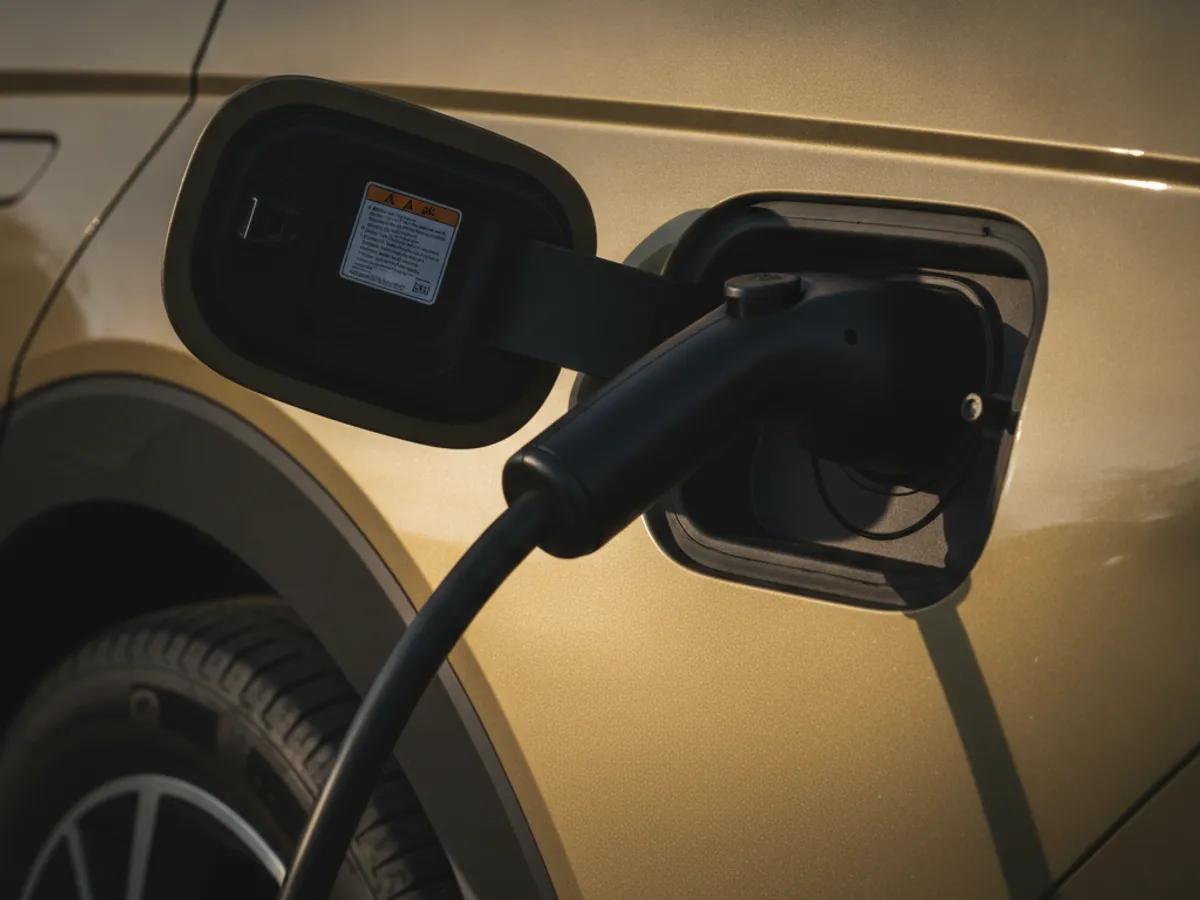
Downtown Silver Spring garages hold cars through work, dinner, and late trains. The FDA White Oak campus is a long-dwell lot. Holy Cross Hospital is too. Students leave cars at Montgomery College Takoma Park/Silver Spring for a full class day. Across this metro, transit decks produce the same pattern. Someone parks for days and returns to a car that will not wake.
A charger error and a dead 12-volt feel the same from the seat. The doors may not unlock. The screen stays dark. You assume the pack is empty. Often the small battery gave up after a long sit. The traction pack can still hold miles.
Silver Spring shares the District’s humid summers and sudden icy snaps. Street parking through a cold night taxes a weak 12-volt. Cabin heat comes out of the pack. So does AC while you idle.
Published winter testing on a large EV sample is blunt. A typical EV keeps about 80 percent of range at freezing. It keeps about 70 percent near 20F. Heat pumps do better than resistance heat. Stop-and-go on Georgia Avenue and the Beltway adds stationary cooling load. That trims usable range without covering distance.
If the car is dark, say so on the call. The independent EV roadside assistance operators we send can jump a 12-volt on site. They can replace it too. They handle Tesla and every major EV brand. Non-Tesla brands follow the same 12-volt pattern. Read non-Tesla EV rescue in Silver Spring.
Public networks fail for boring, fixable reasons
Tesla builds and services Superchargers as one system. ChargePoint, EVgo, and Electrify America often split the job. A property owner may own the hardware. The network runs software and billing. When a stall dies, the repair waits between two companies.
Public cables take daily abuse. Drivers yank the same handle. Connectors hit the floor. Someone forces the wrong plug. None of that happens on a private home outlet you use yourself.
The other weak point is the network link. A DC fast charger has to reach a server to authorize you. If that link drops, a perfect cable still will not start. That’s software wearing a hardware mask. It’s why the app restart comes before you abandon the site.
Humidity here is rough on contacts. Ice is rough on latches. That’s local weather, not a knock on your car.
Don’t spend the last percent on Georgia Avenue
It’s tempting to remember another station and roll. Colesville Road, University Boulevard, and 16th Street look close on a map. I-495 is right there. Your range estimate assumes moving traffic. It doesn’t assume a crawl on the Beltway. It doesn’t assume a long light on MD-97.
Stay parked. Open PlugShare or the network app. Recent driver notes beat the in-car map. Only move once a stall is reported working. Do that from a legal space, not from a live travel lane.
If you’re already under about 10 percent, another hop is a gamble. Heat, defrost, and idle time all tax the number on the screen. Save charge before you’re stuck if you still have to roll. Kill extra climate load. Use hazards if you’re stopped. Stay with the car.
Wheaton and Takoma Park sit next door. They have the same older housing and public-charging habit. Don’t burn the last miles to find that out. If you’re already in Wheaton, use EV roadside assistance in Wheaton.
When the garage problem becomes a Beltway stop
Some nights don’t end in the deck. They end on I-495 after the pack ran down. Maryland’s CHART Emergency Traffic Patrol helps disabled vehicles on state primary roadways. That includes the Capital Beltway. Dial #77 from the car. Published help covers tire changes, jump starts, a little gas, and radiator water. CHART’s materials don’t describe charging an EV.
If you’re in the 495 Express Lanes, pull to the left shoulder. Those lanes sit in the median. Stay in the car. Express Assist can help with minor issues and call a tow. It doesn’t charge the pack.
We reviewed disabled-vehicle rules in Maryland, DC, and Virginia. None of those codes treat an empty EV as a special case. Pull off the same way you would in any other car.
DC has no DDOT motorist-assistance patrol we could find. If you’ve crossed into Washington on 16th Street, you’re on private plans or police. You’re not waiting on a state patrol truck with a charger.
Stay with the car and request a mobile charge
Request mobile EV charging when two stalls or two networks have already failed. Request it when range is already tight. Request it when you’re expected at White Oak, Holy Cross, or a train. Request it when the car will not wake. That last case may be the 12-volt, not an empty pack.
Charge Pro DC is a referral line. We match stranded EV drivers with independent local operators. We hold no licence. We own no trucks. We employ no technicians. We set no prices. The operator quotes you before starting. They bill you directly.
What moves that quote is where you’re parked. How much range you need matters too. So does the time of day. A downtown garage aisle is a different stop from a Beltway shoulder. Hear the quote. Then decide. Confirm the current figure with the operator before you pay. No utility we reviewed will send that truck for you.
What the operator brings to the bumper
The visit is a 240-volt Level 2 source at your car. It’s not a Supercharger on wheels. It’s enough range to reach a stall you trust. It can also get you home. Adapters cover Tesla and non-Tesla ports.
You stay with the car. Don’t leave a nearly empty EV on Colesville Road. Don’t walk the block hunting kiosks.
If a tow is the honest next step, say that on the call. A boost and a hook are different jobs. The person quoting should name the work they’re actually doing. Charge Pro DC doesn’t perform the work. The operator you agree with does.
Call before the pack hits empty
You’ve tried the cable, the next stall, and the app. The car still isn’t charging. Stay in the garage or on a legal shoulder. Call (202) 629-0844. We’ll connect you with a local operator. They’ll quote a 240-volt top-up or a 12-volt jump.
Frequently asked questions
Why won’t a Silver Spring garage charger start a session?
Most failures are a loose connector, a payment glitch, or a network handshake. Restart from the phone app. Try the stall next to you. If two stalls fail, treat the site as down and stop burning range.
Is it the charger or my car?
If the car charges at home, it’s almost certainly the network. The same is true at another public stall. A car-side fault usually throws a message on your dash. A dark kiosk with no dash error points at the station.
Should I keep driving to another charger on low range?
Not once you’re already tight. Check PlugShare from a parked spot first. If you can’t confirm a working stall, request a mobile charge where you sit. Hunting on Georgia Avenue with a few percent left is a bad trade. A kiosk error becomes a roadside stop.