Last updated: October 28, 2026
Mobile EV Charging in Washington
Mobile EV charging means a 240 volt Level 2 unit comes to the car. Charge Pro DC matches Washington requests with independent local EV charging professionals. The operator confirms compatibility, availability, price, and timing directly with you.
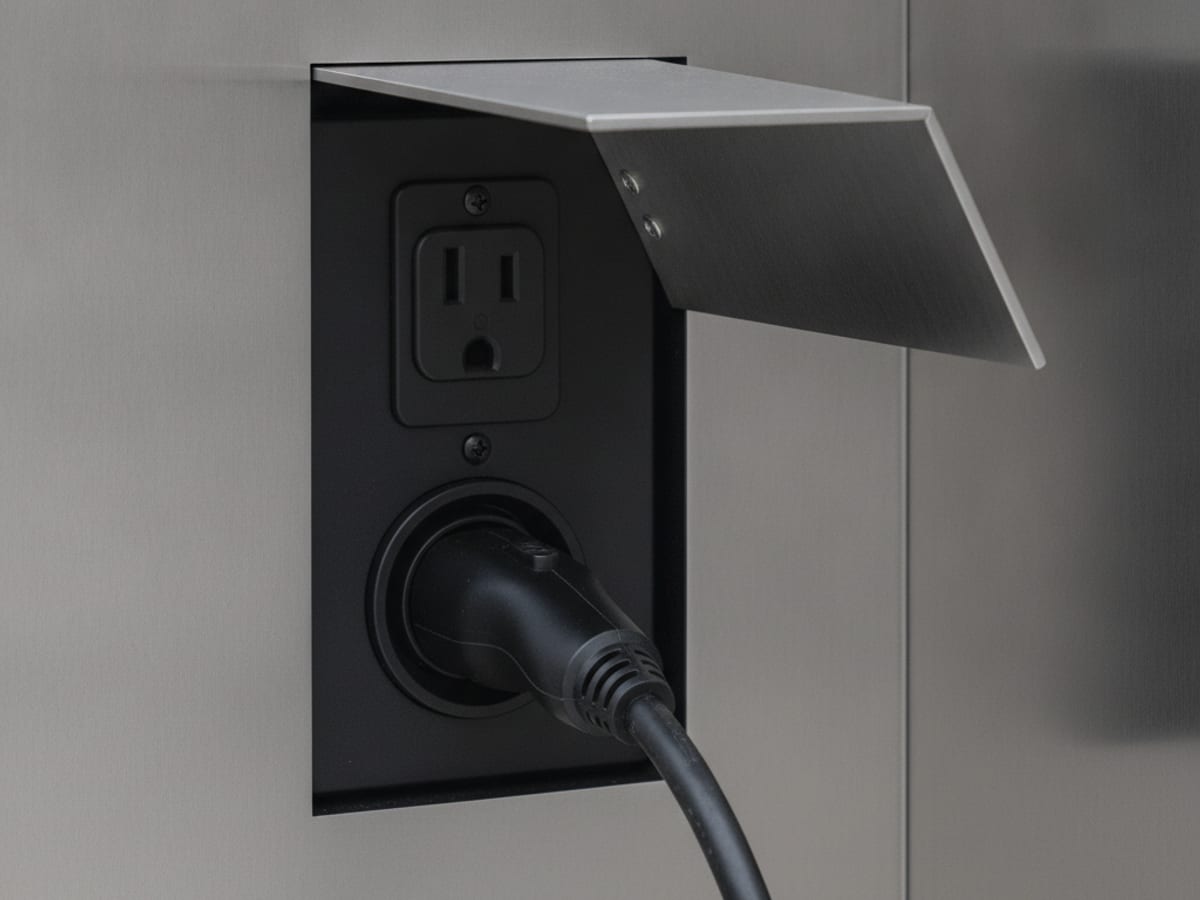
What location details matter for Mobile EV Charging in The District?
District mobile charging serves apartments without a home plug. Union Station's garage holds cars on long dwells. Washington's pre-1980 housing leaves many EVs charging in public. A missed quadrant sends the operator miles the wrong way. You'll find the same street in NE, NW, SE and SW. Rock Creek and the parkways don't allow heavier commercial trucks. You'll want the plug and the quadrant confirmed first.
Mobile EV charging where the car sits in Washington
Mobile EV charging means a 240 volt Level 2 unit comes to the car. The car stays where it sits and doesn't need a public stall. A typical charge adds 10 to 20 miles of range in 15 to 30 minutes. That figure is charging time, never arrival time. Where the car is parked changes outlet access, clearance, and how the operator stages equipment.
Calls in Washington come from places like Union Station, Nationals Park, Capital One Arena and Southwest Waterfront.
Tell dispatch the make, model, year, port type, and displayed battery level. Name the garage, level, clearance, and gate in Washington. If you're on a road, give the direction of travel. The independent operator quotes the Level 2 session and bills you directly.
How does the Mobile EV Charging referral work in Washington?
- Record the EV make, model, model year, charge-port type, displayed battery level, and warning text
- Record an exact location, parking level, clearance, gate instructions, and other access limits
- Match the request with a licensed, independent local EV charging professional
- Have the operator confirm the charging level, connector, approved adapter, and vehicle compatibility
- Have the operator explain the practical charging goal based on the vehicle, equipment, and destination
- Keep the operator responsible for availability, timing, pricing, payment, and the physical work
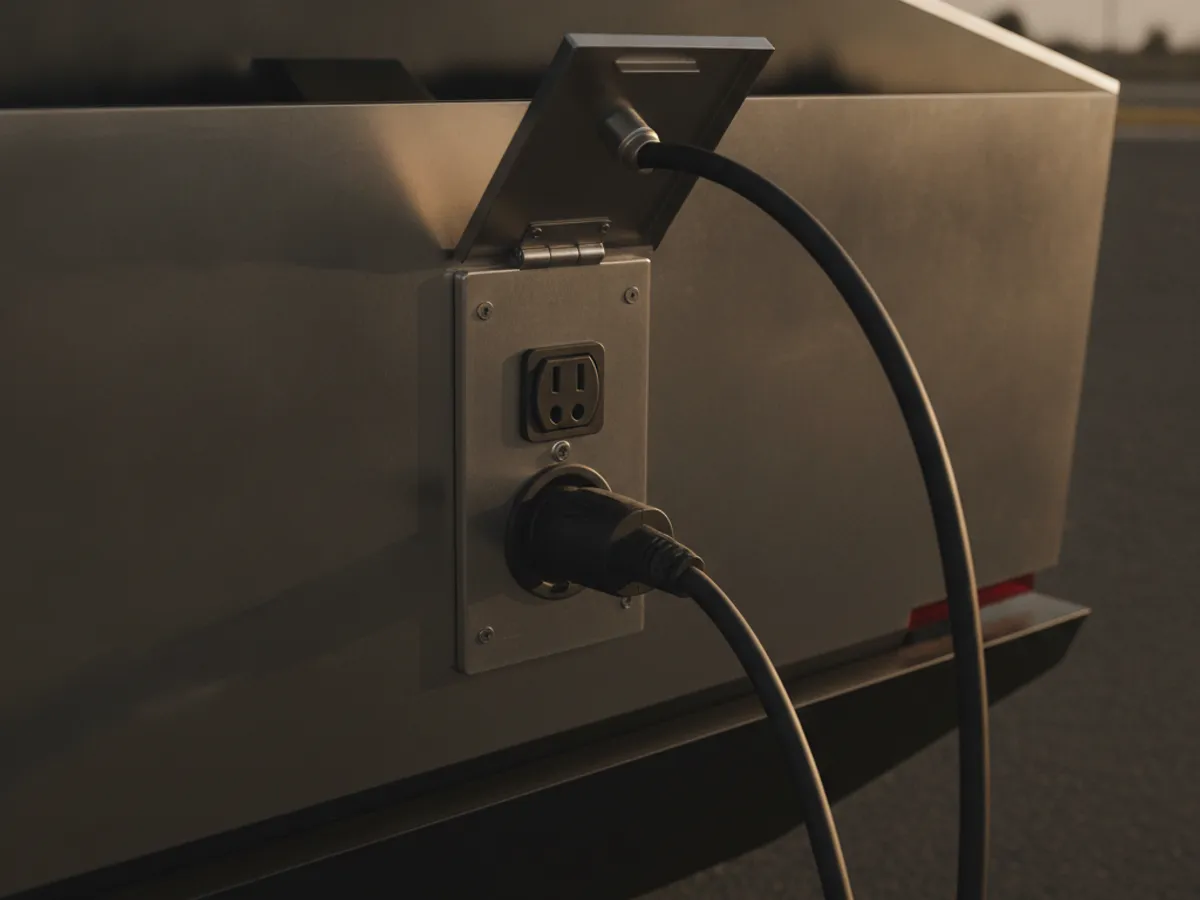
When might a Washington EV driver request Mobile EV Charging?
- The EV cannot safely reach a compatible charging station
- A home, workplace, hotel, or public charger is unavailable and the vehicle is low
- The vehicle is parked in a garage or lot where access must be checked in advance
- You need to ask whether an independent operator offers scheduled charging
- A fleet or event organizer needs an operator to assess a specific charging request
- You are unsure whether a warning means low charge or a fault that needs another type of help
What do Washington EV drivers ask about Mobile EV Charging?
How does mobile ev charging work in Washington?
Call with the vehicle make, model, model year, charge port, warning or symptom, and exact location. Charge Pro DC matches the request with an independent operator serving the DC area. The operator confirms compatibility, availability, price, and timing directly with you.
What does mobile ev charging cost in Washington?
Charge Pro DC does not set prices. The independent operator quotes and bills you directly. Confirm the service, travel, payment terms, and any additional charges before authorizing work.
What location details matter for mobile ev charging in Washington?
District mobile charging serves apartments without a home plug. Union Station's garage holds cars on long dwells. Washington's pre-1980 housing leaves many EVs charging in public. A missed quadrant sends the operator miles the wrong way. You'll find the same street in NE, NW, SE and SW. Rock Creek and the parkways don't allow heavier commercial trucks. You'll want the plug and the quadrant confirmed first.
How fast is mobile EV charging?
There is no single rate. The U.S. Department of Energy says AC Level 2 equipment can range from 2.9 to 19.2 kW, and charging time varies with battery state, battery capacity, the vehicle's onboard charger, equipment output, and electrical service. Ask the operator what equipment they will use and what your vehicle can accept.
Which connector or adapter does my EV need?
That depends on the vehicle and model year. J1772 and J3400, also called NACS, are used for AC charging. A CCS vehicle inlet includes the J1772 portion for AC charging, while the larger CCS fast-charge connector adds separate DC pins. Tell the operator exactly which port your vehicle has and require confirmation of any adapter before the visit.
Where we work in Washington
Need mobile ev charging in Washington?
Call with your vehicle, symptoms, and exact location. We match the request with an independent operator, who confirms compatibility, availability, price, and timing directly with you.